ONGREATEXPECTATIONS.COM
A Digital Reading Experience
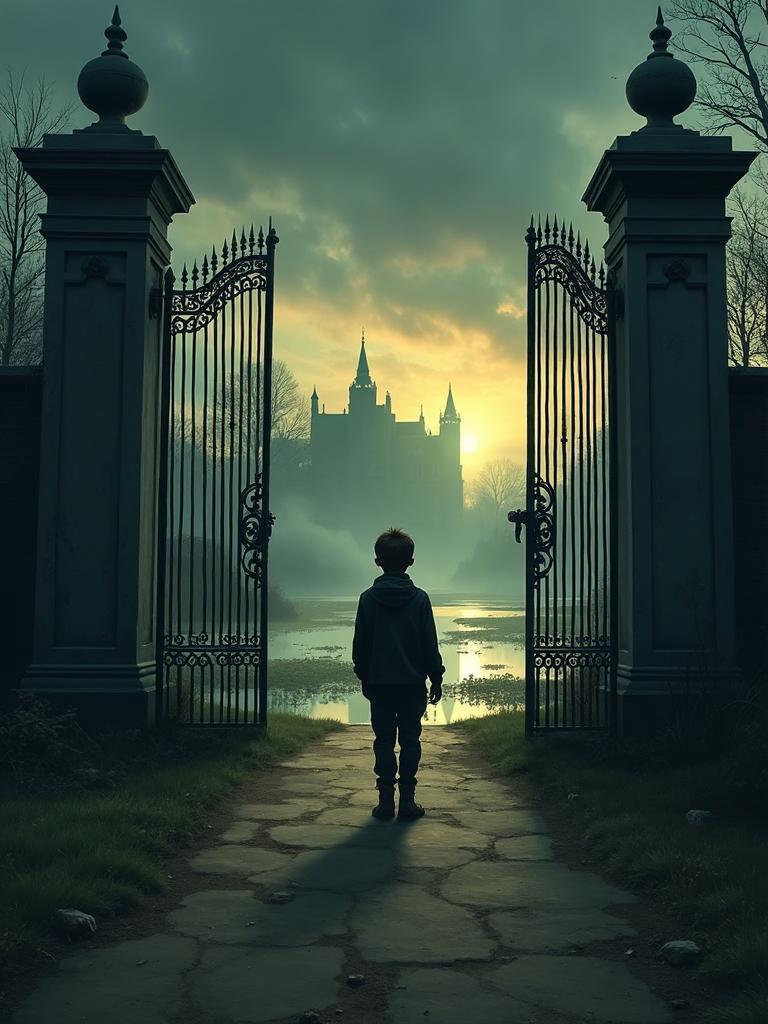
Charles Dickens · 1861
Great
Expectations
"In the little world in which children have their existence, there is nothing so finely perceived and so finely felt, as injustice."
Bildungsroman · Victorian Literature · 59 Chapters · Public Domain
View Table of ContentsAbout This Edition
This digital edition of Great Expectations has been carefully prepared to provide an immersive reading experience that honors Dickens's late masterpiece while embracing the possibilities of modern digital typography.
Featuring elegant serif typography, comfortable reading margins, and thoughtful attention to spacing and rhythm, this edition is designed to disappear, leaving only you and Dickens's haunting tale of Pip, a village boy raised on the Kentish marshes, and the mysterious benefactor whose fortune transforms his life.
Text sourced from the public domain (Project Gutenberg) · Optimized for all devices · Your reading position is automatically saved · Works offline once installed
About Charles Dickens
Charles Dickens (1812–1870) was the most popular English novelist of the Victorian era. His childhood was scarred by his father's imprisonment for debt and by his own months of drudgery in a blacking factory — experiences that fed a lifelong preoccupation with class, money, and the moral consequences of ambition.
Originally serialised in Dickens's weekly journal All the Year Round from December 1860 to August 1861, Great Expectations is his thirteenth novel and widely considered his most perfectly constructed. The story of Pip, the convict Magwitch, the eccentric Miss Havisham and the unattainable Estella has never been out of print, and gave English literature some of its most enduring images: the candlelit ruin of Satis House, the marshes at dawn, and a stopped clock forever announcing twenty minutes to nine.
"That was a memorable day to me, for it made great changes in me. But it is the same with any life." — Great Expectations, Chapter IX